Optimal Timing for Tree Health Assessments
Tree health assessments are most effective when conducted during specific periods of the year that allow for accurate evaluation of a tree's condition. The optimal times are typically early spring, late summer, and early fall, when trees are actively growing or in a state that reveals potential issues. Conducting assessments during these periods enables identification of pests, diseases, or structural problems before they become severe.
Late summer assessments help identify pest activity and stress symptoms caused by heat or drought conditions.
Early fall provides a good opportunity to assess structural issues and prepare for winter dormancy.
Timing assessments with the tree's growth cycle ensures the most accurate diagnosis and effective treatment plans.
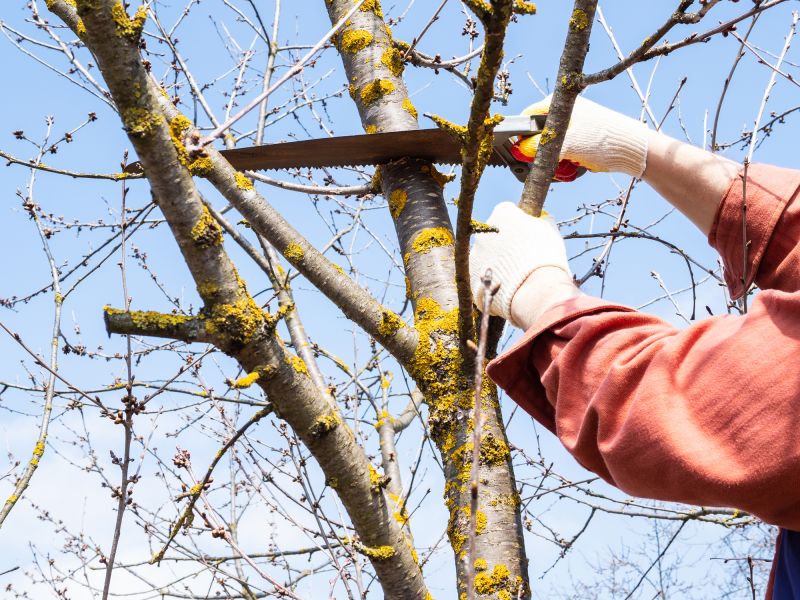
Assessing trees during bud break reveals early signs of health issues.

Monitoring pests and stress symptoms during summer helps prevent damage.
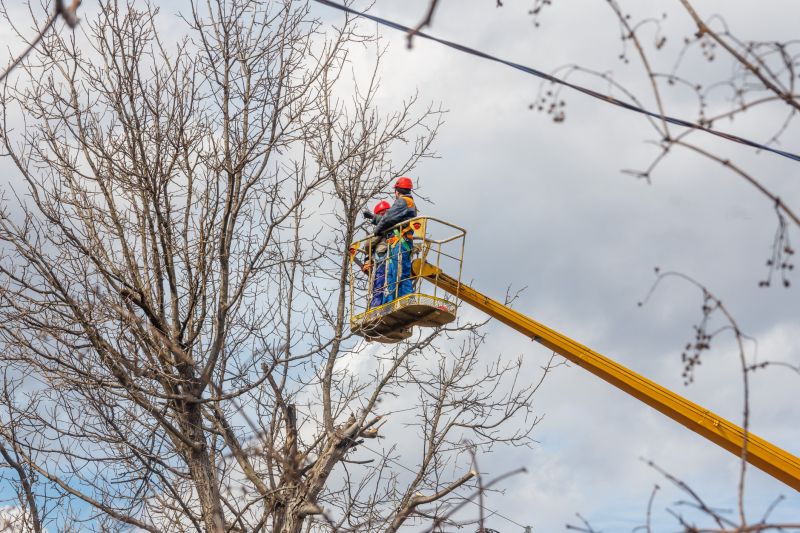
Evaluating tree structure in fall prepares for winter conditions.
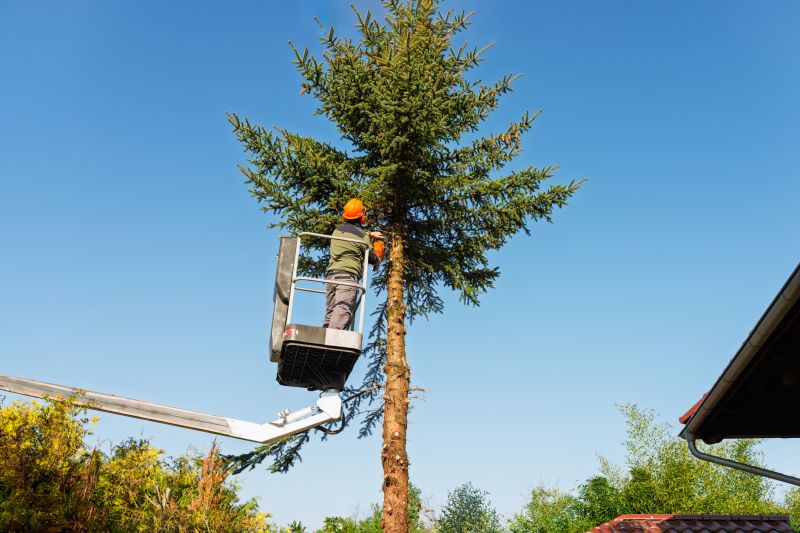
Ways to make Tree Health Assessments work in tight or awkward layouts.
Popular materials for Tree Health Assessments and why they hold up over time.
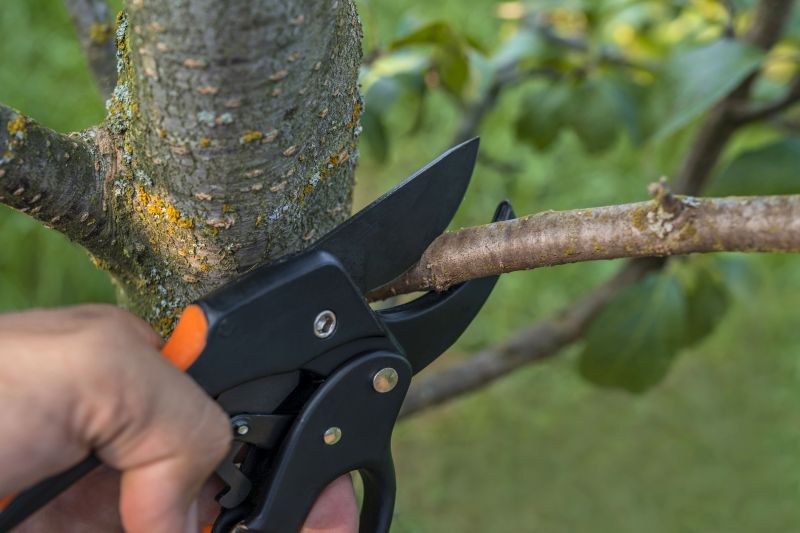
Simple add-ons that improve Tree Health Assessments without blowing the budget.
Tree health assessments are crucial for maintaining the longevity and safety of trees in various environments. These evaluations involve inspecting foliage, branches, trunk, and root systems to identify signs of disease, pest infestation, or structural weakness. Regular assessments can help prevent potential hazards such as falling branches or tree failure, which may cause property damage or safety risks.
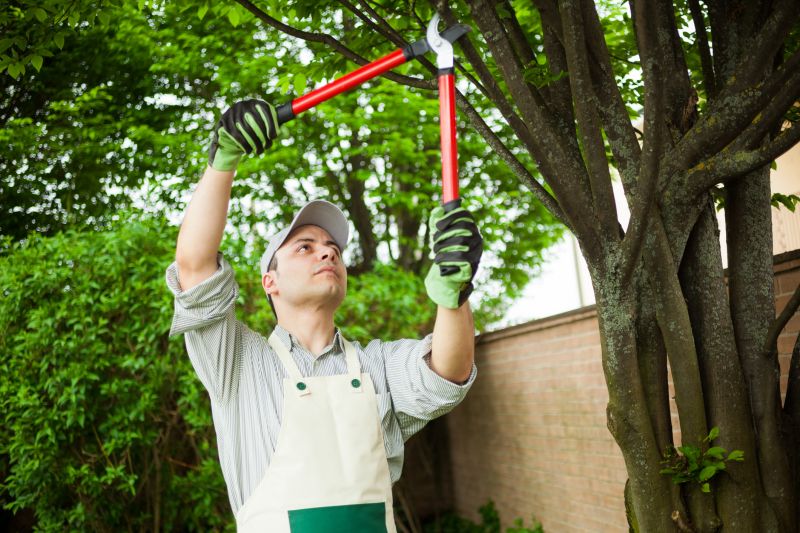
Specialized tools assist in detailed evaluations of tree health.
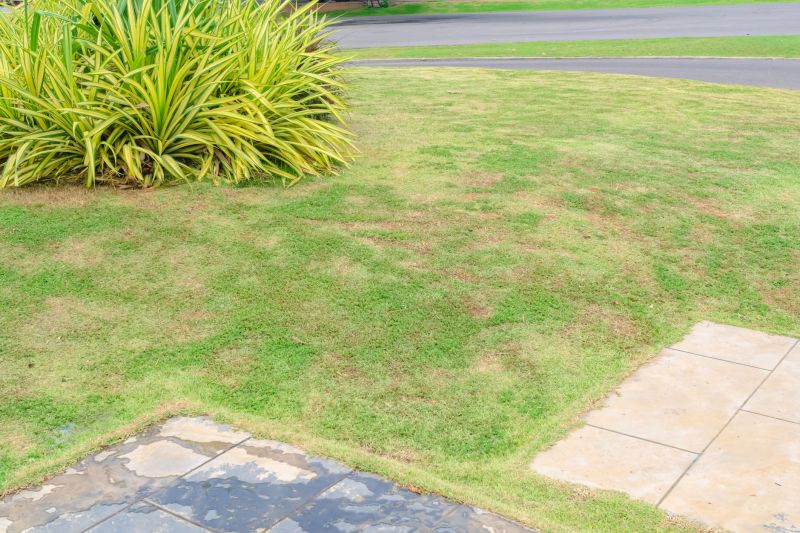
Visual cues like discoloration or dieback indicate underlying health issues.
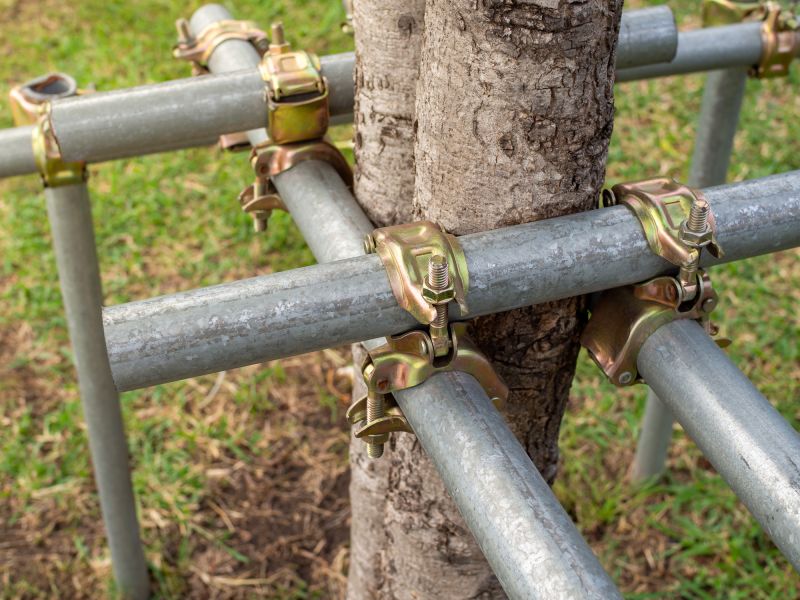
Evaluations of branch stability and trunk condition are essential.
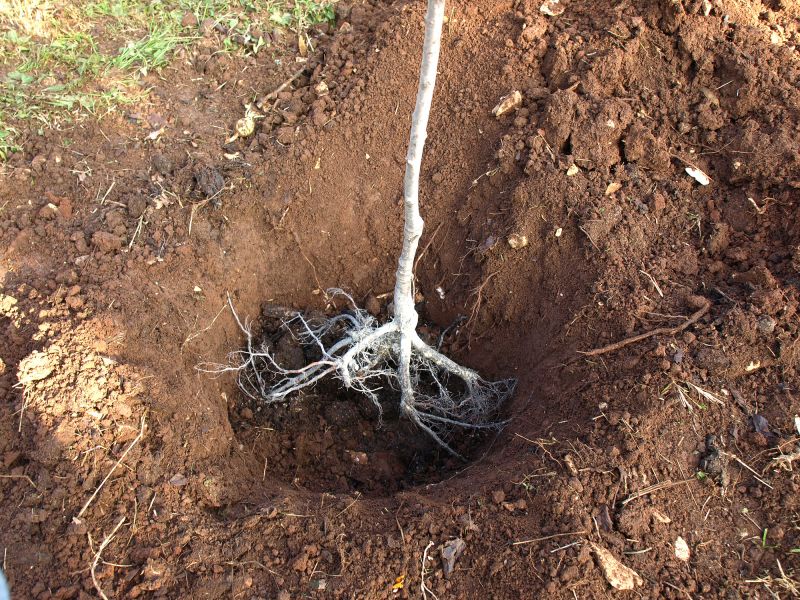
Inspecting root health helps prevent unexpected tree falls.
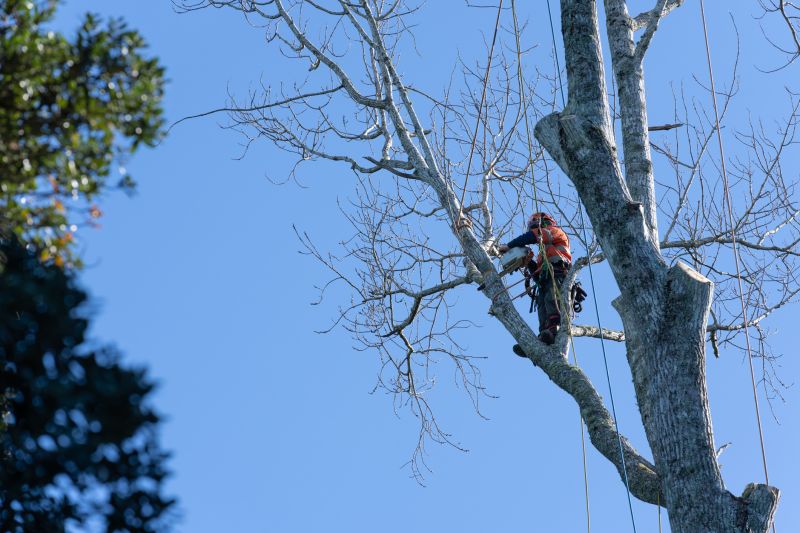
High-end options that actually feel worth it for Tree Health Assessments.
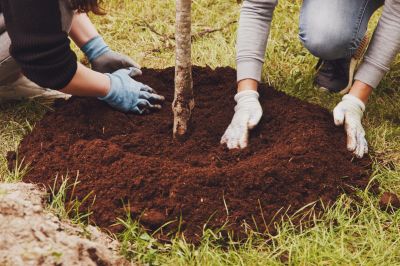
Finishes and colors that play nicely with Tree Health Assessments.
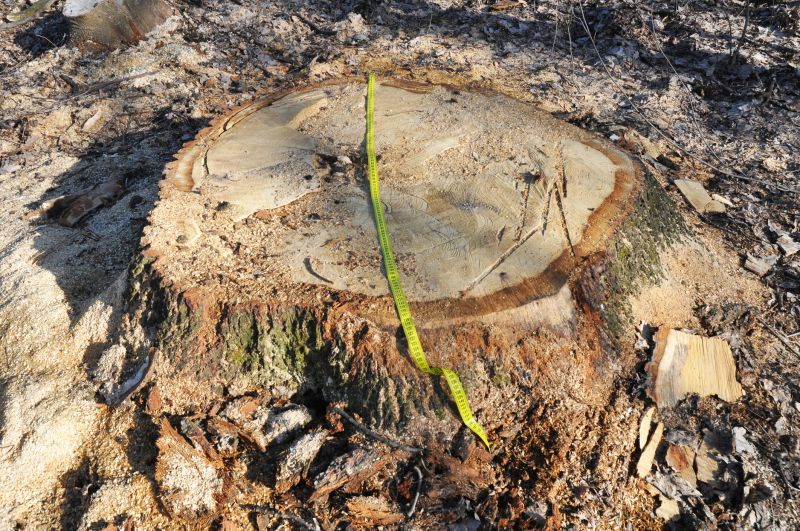
Little measurements that prevent headaches on Tree Health Assessments day.
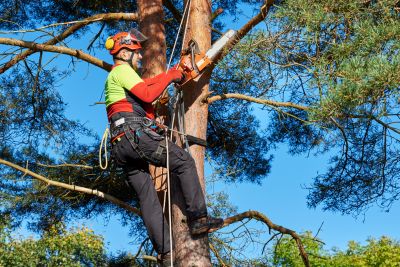
A 60-second routine that keeps Tree Health Assessments looking new.
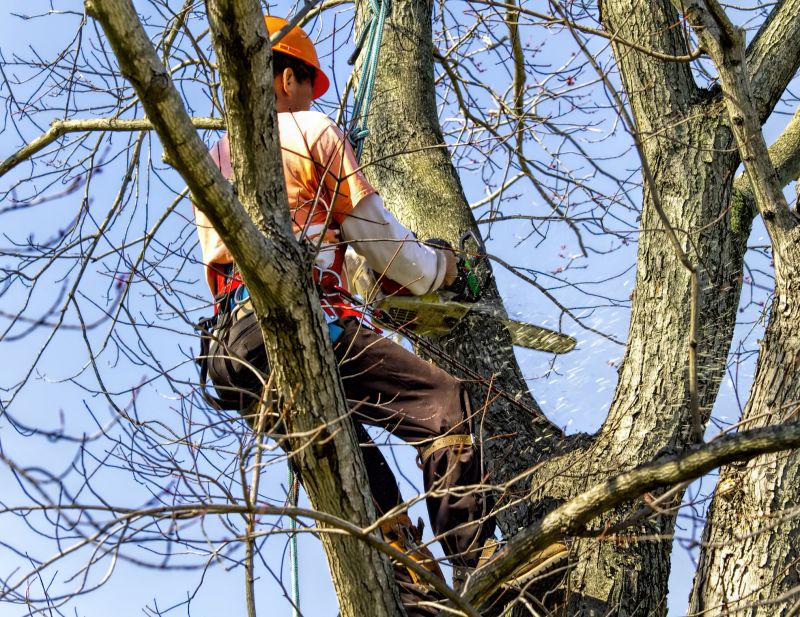
A frequent mistake in Tree Health Assessments and how to dodge it.
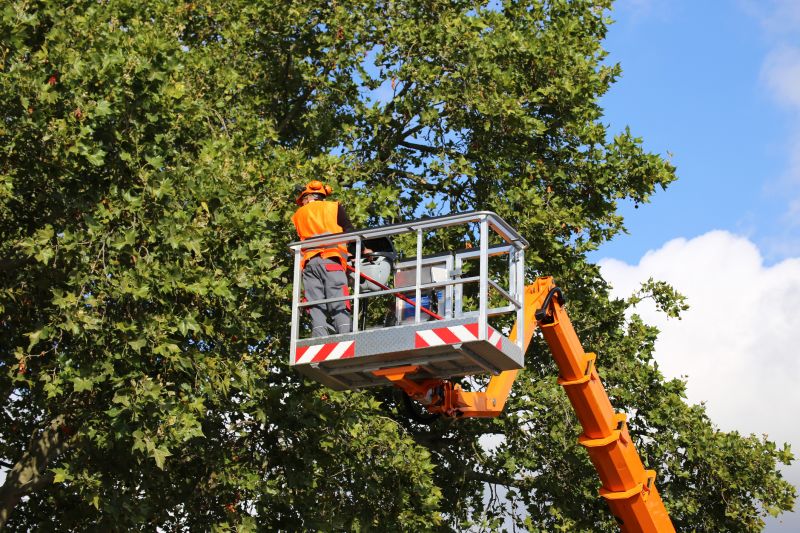
Small tweaks to make Tree Health Assessments safer and easier to use.
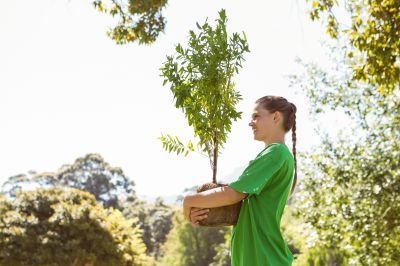
Lower-waste or water-saving choices for Tree Health Assessments.
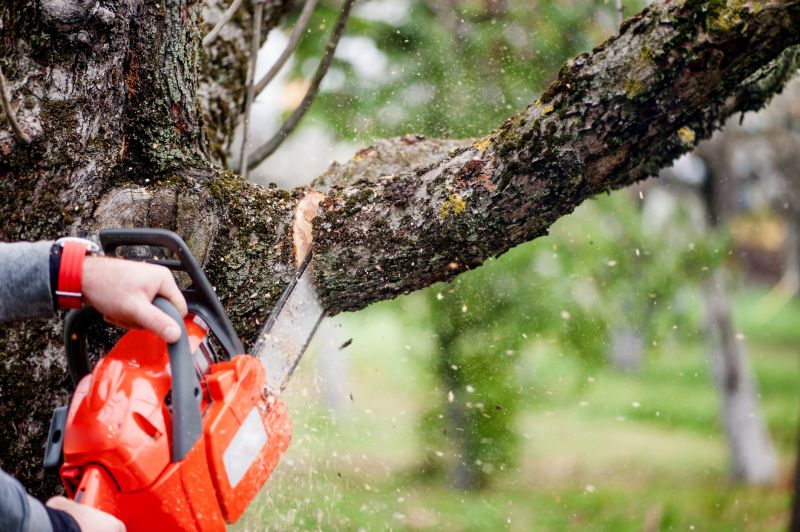
The short, realistic tool list for quality Tree Health Assessments.
| Assessment Period | Key Benefits |
|---|---|
| Spring | Early detection of stress, disease, and pest activity. |
| Summer | Monitoring ongoing pest issues and stress symptoms. |
| Fall | Preparation for winter, structural assessment, and fall foliage review. |
| Early Winter | Optional for structural and root health checks before dormancy. |
| Late Winter | Limited; mainly for planning upcoming assessments. |
Scheduling tree health assessments according to seasonal timing maximizes their effectiveness. Proper timing allows for early intervention, reducing the risk of severe damage or failure. Regular evaluations contribute to informed management practices, ensuring that trees remain healthy and safe throughout their lifespan.
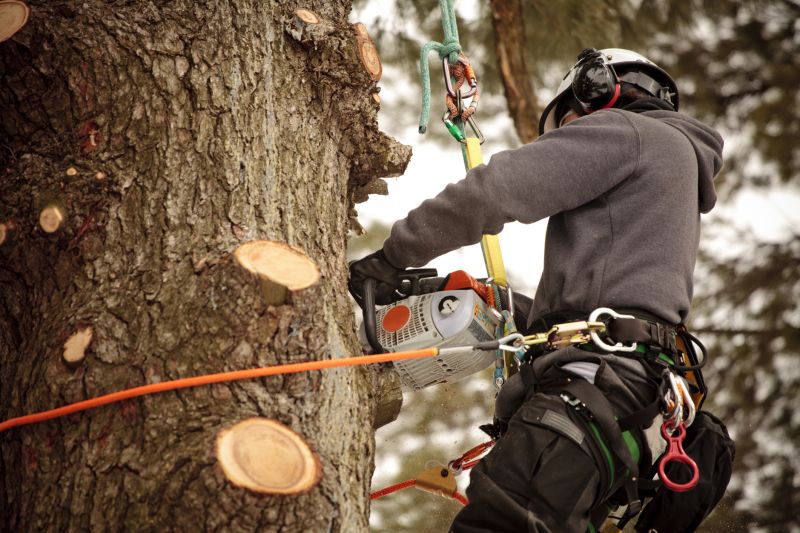
Professionals conducting thorough tree evaluations.
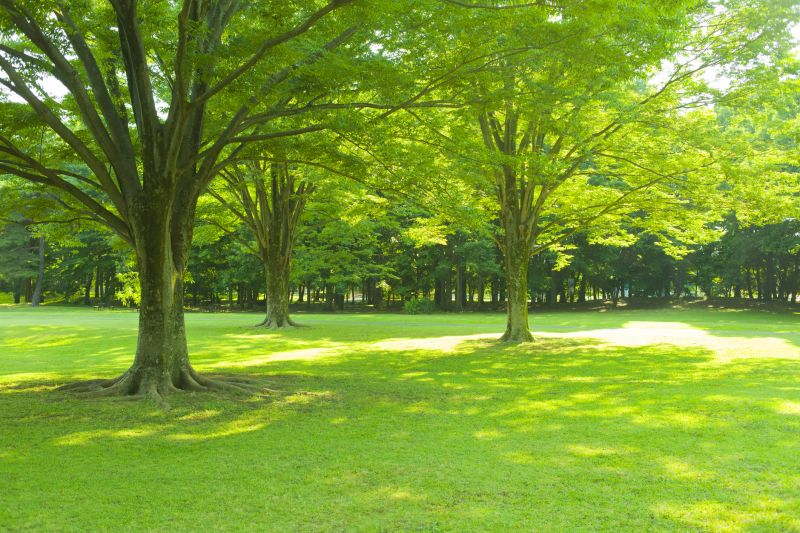
Vibrant foliage indicates good health during assessments.

Identifying disease or pest signs during inspections.
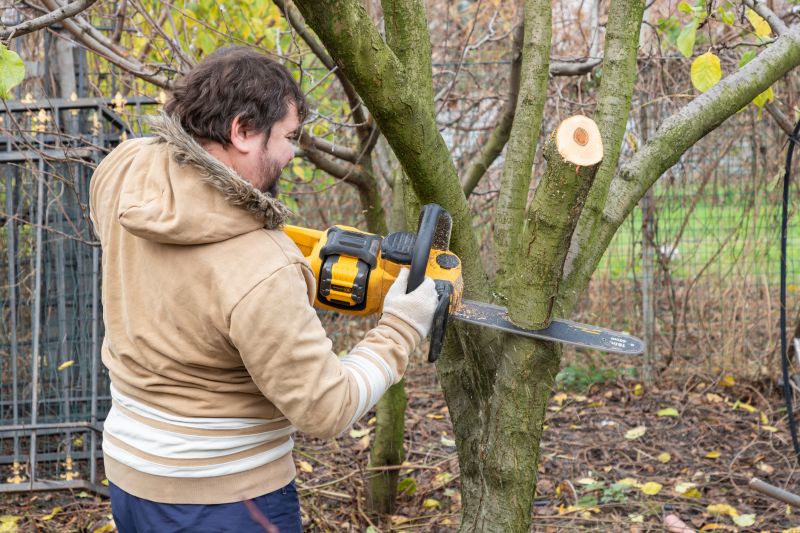
Developing treatment strategies based on assessment findings.
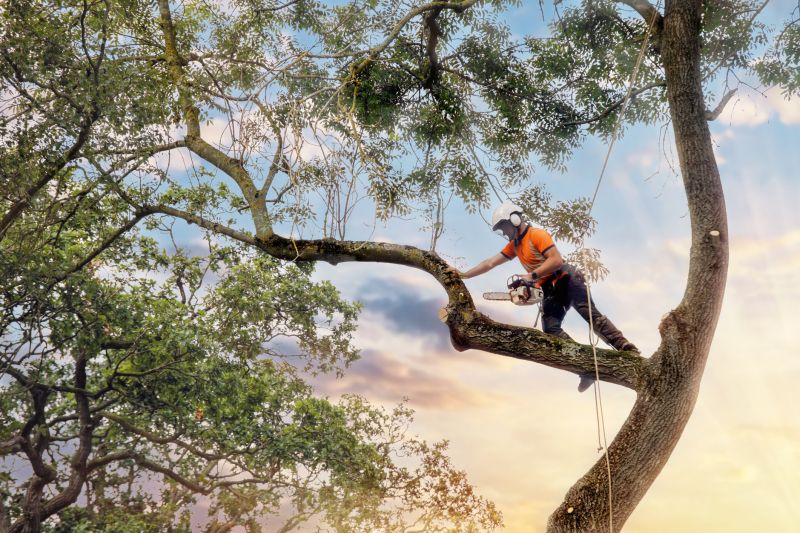
Rough timing from prep to clean-up for Tree Health Assessments.
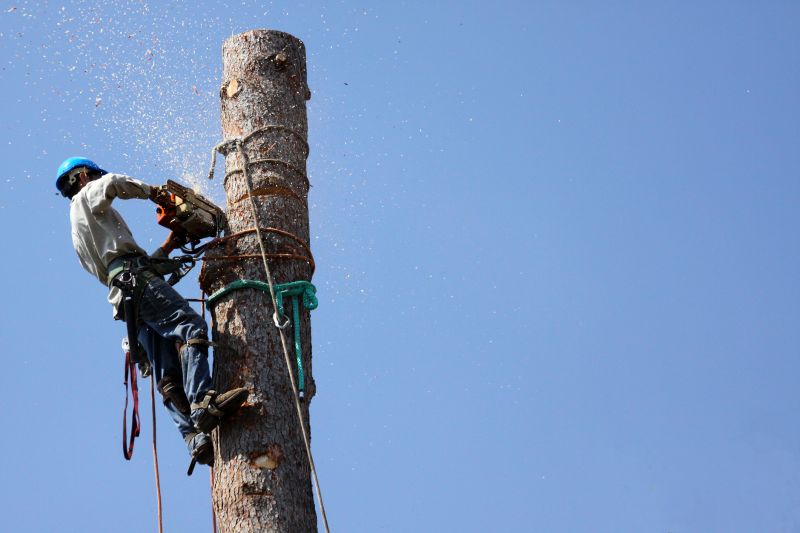
Quick checks and paperwork to keep after Tree Health Assessments.
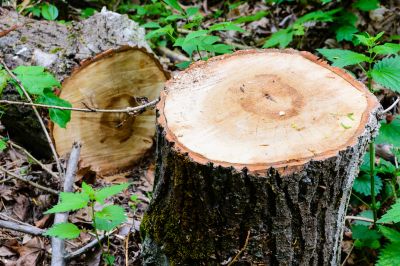
Examples that show the impact a good Tree Health Assessments can make.
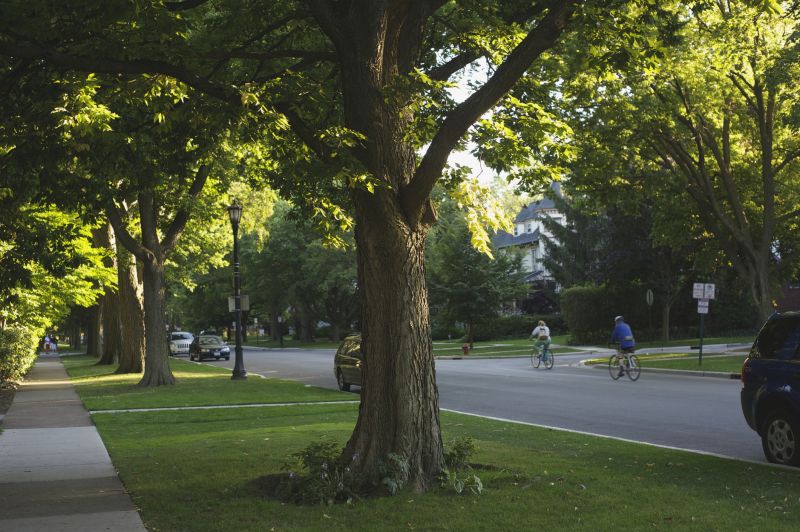
Ways to make Tree Health Assessments work in tight or awkward layouts.

Ways to make Tree Health Assessments work in tight or awkward layouts.
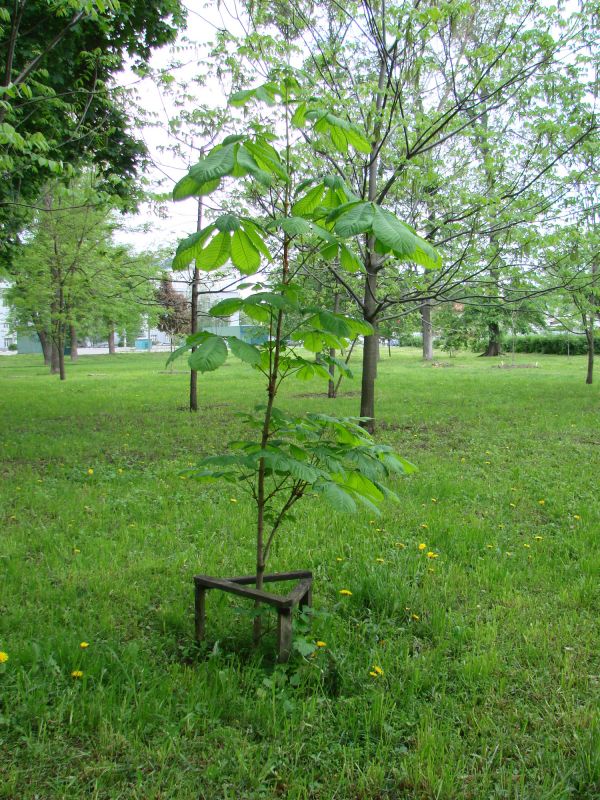
Ways to make Tree Health Assessments work in tight or awkward layouts.
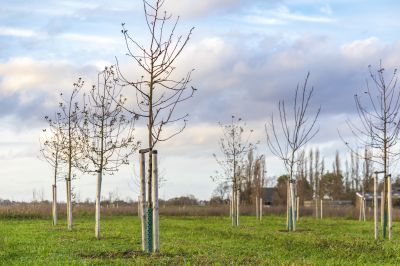
Ways to make Tree Health Assessments work in tight or awkward layouts.
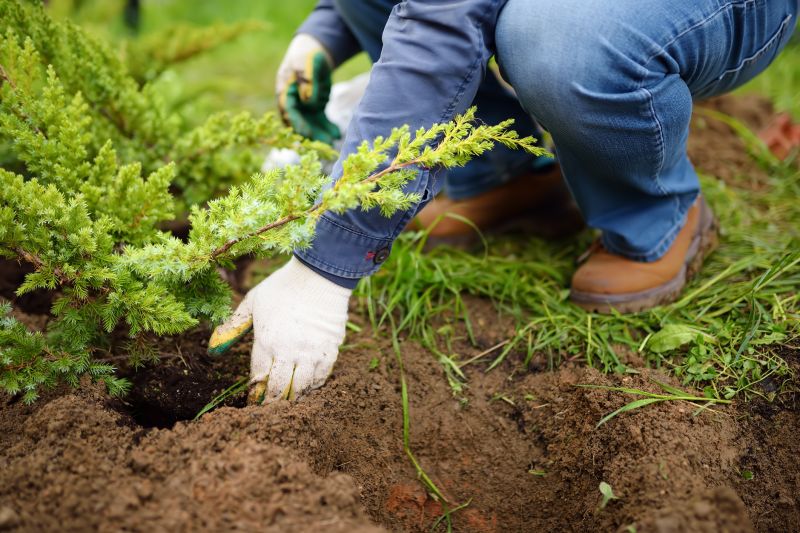
Ways to make Tree Health Assessments work in tight or awkward layouts.
Interested in maintaining optimal tree health through scheduled assessments? Filling out the contact form can provide more information and help plan evaluations tailored to specific needs. Regular assessments support the early detection of issues, promoting healthier, safer trees in any landscape.