Get Tree Health Assessment in Westchester County, NY
Tree health assessment services for Westchester County property owners identify issues like disease, pests, or structural problems, helping determine necessary treatments or removals with trusted local contractors.
Property owners in Westchester County, NY, who are considering landscape improvements or planning new projects often find that assessing the health of their trees is an essential step. A comprehensive tree health assessment can help identify potential issues early, ensuring that trees remain strong and safe while supporting the overall appearance of the property. Exploring options for professional evaluations allows property owners to compare local contractors who specialize in tree care, making it easier to find the right support for maintaining healthy and vibrant landscapes.
Understanding the condition of trees can also influence decisions about future landscaping, safety measures, and property value preservation. Local service providers experienced in tree health assessments can provide insights tailored to the specific conditions of Westchester County’s environment. By exploring these services, property owners can gather the information needed to make informed choices about their trees and landscape projects, ensuring the long-term health and safety of their outdoor spaces.
- Tree Health Assessment - needed when trees in neighborhoods like White Plains or Yonkers show signs of decline or damage.
- Tree Risk Evaluation - required if a tree appears unstable or poses a potential hazard near homes or power lines.
- Diagnostic Tree Inspection - useful when pests, fungi, or disease symptoms are affecting trees in Westchester County communities.
- Structural Tree Analysis - necessary for trees with cracks, splits, or other structural issues that could lead to failure.
- Pre-Construction Tree Assessment - important before construction projects to ensure existing trees are healthy and to plan for preservation or removal.
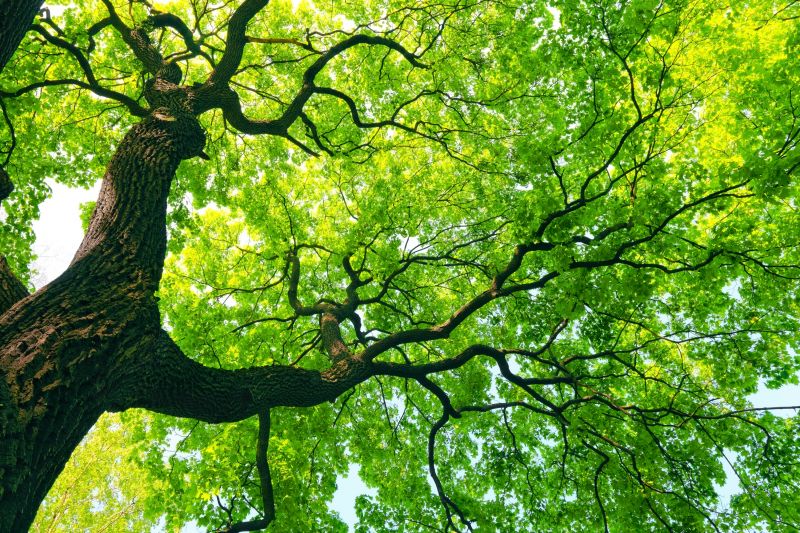
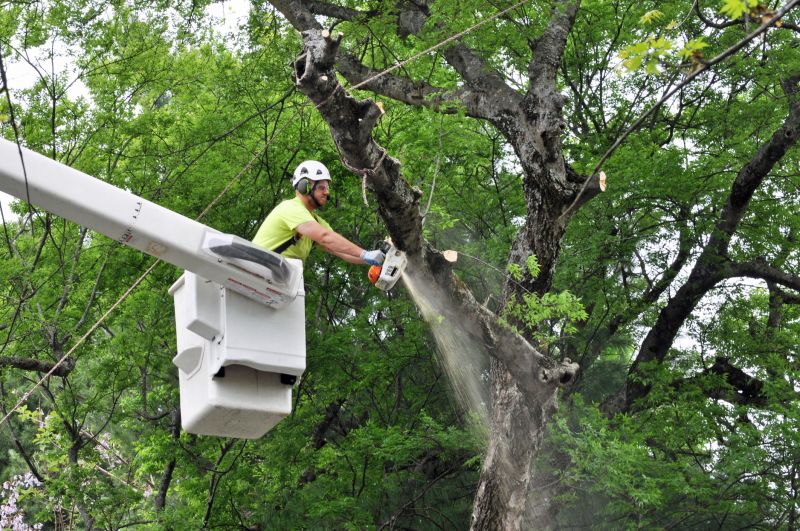
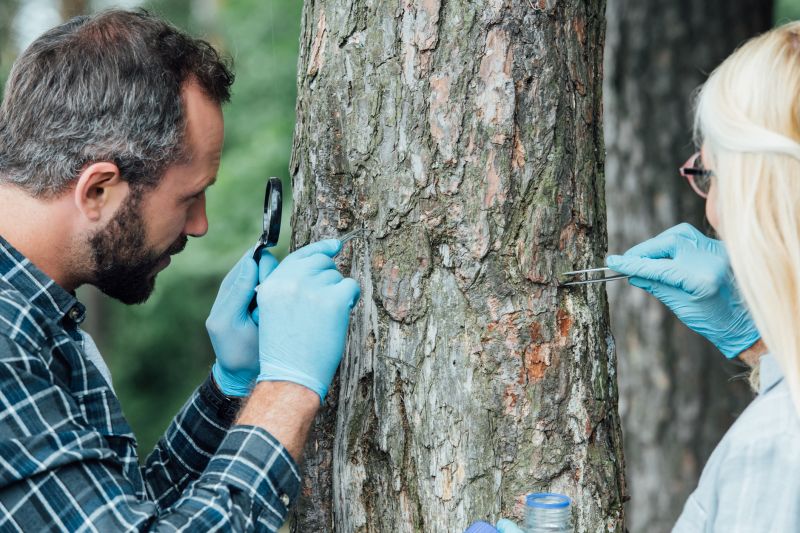
Tree health assessment services involve a thorough inspection of trees on a property to evaluate their overall condition and identify potential issues. Certified service providers examine factors such as branch stability, trunk integrity, root health, and signs of disease or pest infestation. This process helps determine whether a tree is healthy, stressed, or at risk of failure, providing homeowners with a clear understanding of their trees’ well-being. Regular assessments can be an important part of maintaining a safe and attractive landscape, especially for mature trees that have been part of a property for many years.
These services are particularly useful for diagnosing common problems like decay, fungal infections, insect damage, or structural weaknesses that may not be immediately visible. Identifying these issues early can prevent more serious damage or the sudden failure of a tree, which could pose safety hazards or lead to costly removal. Tree health assessments can also guide appropriate care, such as pruning, fertilization, or treatment plans, to help improve the vitality of stressed or declining trees. Homeowners who notice unusual leaf drop, dead branches, or leaning trees may find this service especially beneficial.
Properties that typically utilize tree health assessment services include residential homes with mature trees, estates, and properties with valuable landscape assets. These assessments are also common for properties near public spaces, schools, or commercial sites where tree safety is a priority. Homeowners who are planning landscape improvements or considering planting new trees may also seek assessments to ensure existing trees are healthy enough to support new plantings. In areas like Westchester County, NY, where mature trees are a common feature, such evaluations help maintain both safety and aesthetic appeal.
Engaging with local service providers for tree health assessments offers homeowners a practical way to address concerns about their trees’ condition. These professionals can identify early signs of problems, recommend appropriate actions, and help prevent potential hazards. Whether dealing with a single troublesome tree or managing an entire landscape, property owners can benefit from expert evaluations that support the long-term health and safety of their trees. Contacting qualified local contractors ensures that assessments are tailored to the specific needs of the property and its landscape.
The overview below groups typical Tree Health Assessment projects into broad ranges so you can see how smaller, mid-sized, and larger jobs often compare in Westchester County, NY.
In many markets, a large share of routine jobs stays in the lower and middle ranges, while only a smaller percentage of projects moves into the highest bands when the work is more complex or site conditions are harder than average.
Smaller Tree Assessments - Typically range from $250-$600 for routine evaluations of individual trees or small properties. Many standard inspections fall within this middle range, making it a common choice for homeowners. Larger or more detailed assessments may cost more.
Moderate-Scale Evaluations - Usually cost between $600-$1,200 for comprehensive health checks of multiple trees or larger properties. These projects are often more involved but remain within a manageable budget for most clients. Fewer assessments reach the higher end of this range.
Large or Complex Assessments - Can range from $1,200-$3,000+ for extensive evaluations involving detailed testing or multiple site visits. Such projects are less common and are typically reserved for significant landscape or safety concerns. Local contractors may charge more for highly detailed reports.
Full Tree Health Reports or Reassessments - Often cost $1,000-$5,000+ depending on the scope and number of trees involved. Larger, more complex projects can exceed this range, especially when detailed diagnostics or ongoing monitoring are required. Many projects fall into the middle to upper tiers based on size and complexity.
Actual totals will depend on details like access to the work area, the scope of the project, and the materials selected, so use these as general starting points rather than exact figures.
Tree pruning projects - involve assessing tree structure and health, similar to evaluating overall tree vitality in health assessments.
Stump removal services - require understanding of root systems and tree stability, which aligns with evaluating tree health and risk factors.
Landscape tree planting - includes planning and selecting appropriate species, comparable to choosing suitable trees based on health conditions.
Insect and disease inspection - focus on identifying pests and pathogens that threaten tree health, paralleling assessment techniques used in health evaluations.
Emergency tree services - involve assessing storm damage and potential hazards, similar to evaluating damage and stability in health assessments.
Soil testing and analysis - provides insights into root health and nutrient levels, which are key components in comprehensive tree health evaluations.

When comparing service providers for tree health assessment, it is important to consider their experience with similar projects. Homeowners should inquire about the types of trees they have worked on and the scope of previous assessments. A contractor with a solid track record in evaluating trees similar to those on the property can provide more reliable insights. Additionally, understanding their familiarity with local tree species and common issues in the area can help ensure that the assessment is thorough and relevant to the specific environment.
Clear, written expectations are essential to avoid misunderstandings and ensure that the scope of work is well-defined. Homeowners should seek service providers who can articulate what the assessment will include, such as visual inspections, health evaluations, or recommendations for treatment or removal. Having a detailed description of the process, deliverables, and any follow-up steps in writing provides clarity and helps set realistic expectations for the project. This transparency allows for better comparison among local contractors and facilitates informed decision-making.
Reputable references and effective communication are key factors when selecting a tree health assessment professional. Homeowners are encouraged to ask for references from past clients or examples of completed projects. Listening to feedback about the provider’s professionalism, thoroughness, and ability to communicate findings clearly can reveal important insights. Good communication skills ensure that questions are answered promptly and that the homeowner understands the assessment results and recommended actions. Remember, this site introduces homeowners to local service providers capable of handling the work; it does not perform the assessments itself.
Property owners in Westchester County, NY use Tree Health Assessment services for practical projects around their homes and businesses. This guide focuses on everyday jobs and straightforward project options.

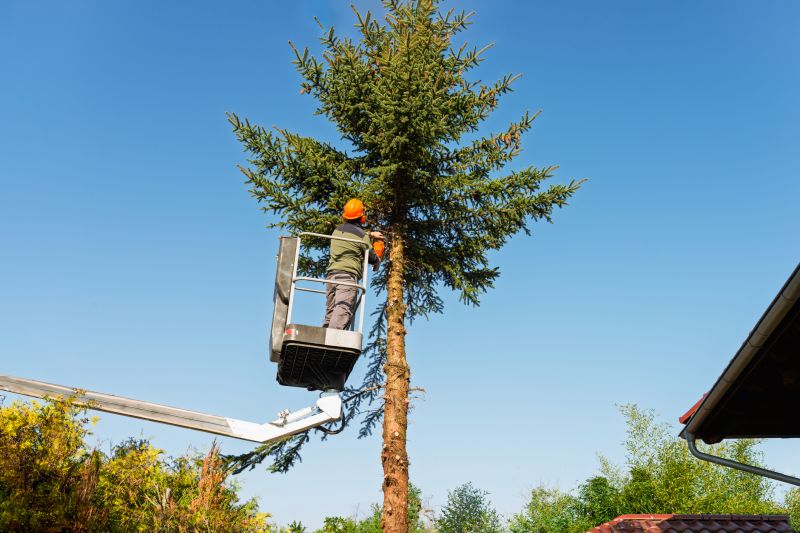
Property owners in Westchester County often seek tree health assessments when noticing signs of distress such as wilting leaves, unusual branch dieback, or visible trunk damage. These services can help identify underlying issues like disease, pest infestations, or structural weaknesses that may threaten the longevity and safety of mature trees. Whether preparing for seasonal storms or ensuring the overall landscape remains safe and attractive, many residents turn to local contractors who specialize in evaluating tree health and providing recommendations for necessary treatments or interventions.
Additionally, property owners may request tree health assessments when planning landscaping projects or property improvements that involve removing or pruning trees. Ensuring trees are healthy before undertaking such work can prevent unexpected hazards or complications later on. Local service providers in Westchester County are equipped to evaluate the condition of trees, helping property owners make informed decisions about care or removal to maintain the safety and beauty of their outdoor spaces.
What is a tree health assessment? A tree health assessment involves evaluating a tree's overall condition, identifying signs of disease or pests, and determining potential risks to ensure its well-being and safety.
Why should I consider a tree health assessment? Regular assessments can help detect issues early, preventing potential hazards and maintaining the longevity of trees on your property.
Who can perform a tree health assessment? Local contractors experienced in tree care can conduct thorough assessments to provide insights and recommendations for maintaining tree health.
What signs indicate a tree might need an assessment? Symptoms such as dead branches, unusual leaf patterns, cracks in the trunk, or leaning trees may suggest the need for a professional evaluation.
How can I find qualified service providers for tree health assessments? This website helps connect property owners with local contractors who specialize in tree health evaluations and care services.
Identify potential hazards - property owners can use tree health assessments to spot signs of disease or decay that might pose safety risks around their homes.
Plan for maintenance or removal - assessments help determine whether trees need pruning, treatment, or removal to maintain a safe and healthy landscape.
Protect property value - understanding tree health can guide decisions to preserve trees that enhance curb appeal and prevent damage to structures.
Ensure landscape longevity - regular evaluations support the ongoing health of trees, helping property owners plan long-term landscape care.
If you are thinking about Tree Health Assessment for a property in Westchester County, NY, this guide is meant to help you understand the work, the typical project types, and how different options might fit your plans.
When you are ready, you can use the quote form on this page to share a few details about your project. From there, local pros can review the basics and respond with options that match what you have in mind.