Get Tree Health Assessment in West Milford, NJ
Tree Health Assessment services help West Milford property owners identify and address issues like disease, decay, or storm damage through evaluations by experienced local contractors.
Maintaining healthy trees is an important part of managing a property in West Milford, NJ. Whether planning a landscaping project, ensuring safety around the property, or simply aiming to preserve the natural beauty of the area, understanding the health of existing trees can provide valuable insights. Property owners exploring options for tree care often find it helpful to compare local contractors who specialize in comprehensive tree assessments, helping them make informed decisions about their landscape’s future.
By connecting with experienced service providers in the West Milford area, property owners can access expert evaluations that identify potential issues early and support long-term planning. These professionals can assist with assessing tree stability, identifying signs of disease, and recommending appropriate actions to maintain the health and safety of the trees. Keep reading to learn more about how local experts can support your property’s tree care needs.
- Tree Health Assessment - needed when signs of disease or decay are visible in trees throughout neighborhoods like West Milford, NJ.
- Tree Risk Evaluation - useful if there is concern about falling branches or trees after storms or high winds in nearby communities.
- Urban Tree Inspection - important for maintaining the safety and vitality of trees in residential or commercial areas such as Passaic County.
- Tree Condition Analysis - appropriate when trees show symptoms of pest infestation or unusual growth patterns in local yards.
- Structural Tree Assessment - required if there are concerns about compromised branches or trunks threatening nearby structures or power lines.
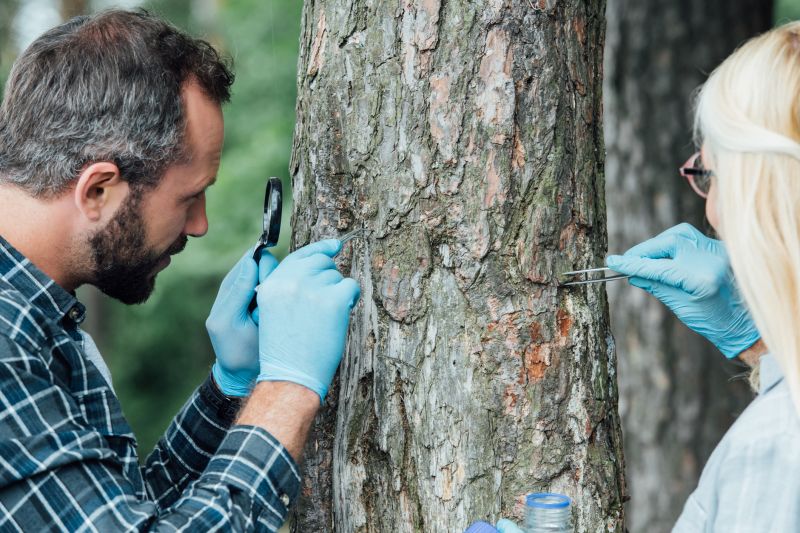
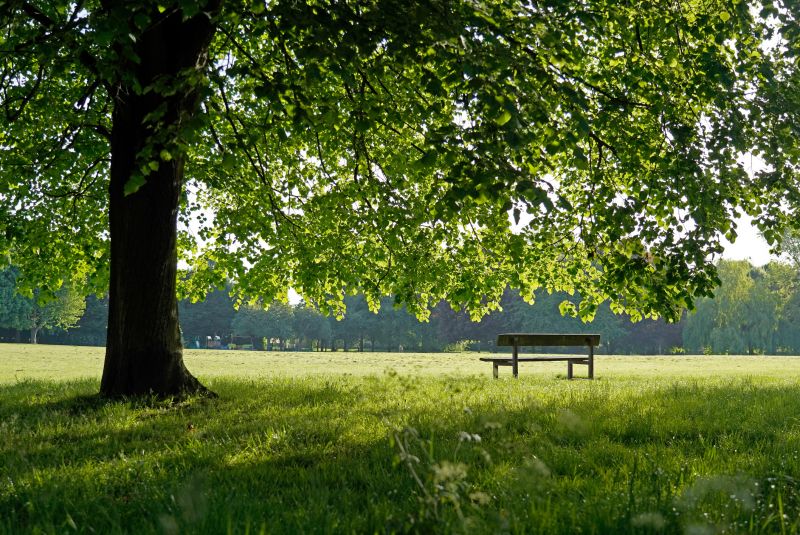
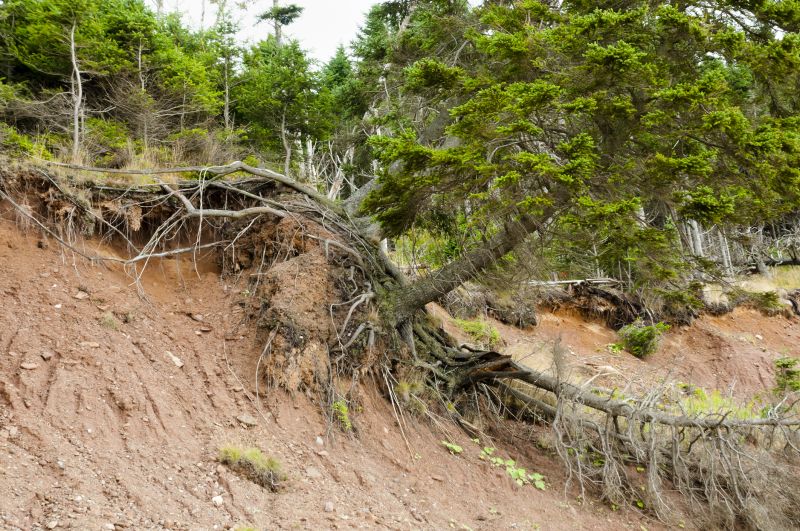
Tree health assessment services involve a thorough inspection of trees on residential or commercial properties to evaluate their overall condition. Certified or experienced service providers examine factors such as tree structure, leaf health, trunk integrity, and root systems. This process helps identify early signs of stress, disease, pest infestations, or structural weaknesses that might not be immediately visible. By assessing these aspects, homeowners can gain a clearer understanding of their trees’ health and determine whether any action is needed to maintain or improve their condition.
These assessments are particularly valuable when trees show signs of decline, such as wilting, unusual leaf coloration, cracks in the trunk, or dead branches. They can also help prevent potential hazards, like falling limbs or trees that are at risk of toppling. Regular evaluations can detect issues before they become severe, saving property owners from costly repairs or safety concerns. Service providers can recommend appropriate solutions, whether that involves pruning, treatment for pests or diseases, or other interventions to support the tree’s longevity and stability.
Property types that commonly utilize tree health assessment services include single-family homes, estates, and small commercial properties. Residential properties with mature trees often benefit from periodic checks to ensure safety and health. Larger properties, such as farms, parks, or community grounds, also frequently use these services to manage multiple trees efficiently. Regardless of property size, these assessments are a practical step for anyone who values the safety, appearance, and health of their trees and wants to address potential problems early.
Homeowners and property managers who notice signs of distress in their trees or are planning landscaping projects may find tree health assessments especially useful. These evaluations can uncover hidden issues that might compromise the safety or aesthetics of a property. By connecting with experienced local contractors, property owners can access expert advice and tailored solutions to keep their trees healthy and safe. Regular assessments ensure that trees remain a valuable and attractive part of any property landscape.
The overview below groups typical Tree Health Assessment projects into broad ranges so you can see how smaller, mid-sized, and larger jobs often compare in West Milford, NJ.
In many markets, a large share of routine jobs stays in the lower and middle ranges, while only a smaller percentage of projects moves into the highest bands when the work is more complex or site conditions are harder than average.
Basic Assessments - typical costs range from $250-$600 for many smaller or routine tree health evaluations. These projects usually involve visual inspections and basic reports, which most local contractors handle within this range.
Standard Tree Inspections - most mid-sized assessments fall between $600-$1,200, covering more detailed evaluations like soil testing or pest analysis. Many projects land in this middle band, with fewer reaching into higher price points.
Comprehensive Health Reports - larger or more complex assessments can cost $1,200-$3,000, especially when multiple trees or extensive testing is involved. These are typically for properties with significant or high-value trees requiring in-depth analysis.
Full Tree Replacement Evaluation - costs for evaluating the feasibility and planning for tree removal and replacement generally start around $3,000 and can exceed $5,000 for extensive landscape projects. Larger, more detailed projects are less common but necessary for complex site conditions.
Actual totals will depend on details like access to the work area, the scope of the project, and the materials selected, so use these as general starting points rather than exact figures.
Tree pruning and trimming projects involve assessing tree structure and health, requiring skills similar to those used in tree health assessments to determine necessary interventions.
Tree hazard evaluation services focus on identifying potential risks posed by trees, utilizing similar planning and inspection techniques as those used in health assessments.
Insect and disease diagnosis for trees involves identifying pests and pathogens that affect tree vitality, aligning closely with the diagnostic skills needed for health evaluations.
Stump removal and root inspection projects require understanding root systems and soil conditions, which are important components of comprehensive tree health assessments.
Landscape planning and tree planting services involve selecting and positioning trees with consideration of health and growth patterns, paralleling the planning aspects of health assessments.
Soil testing and fertilization projects focus on soil conditions impacting tree health, providing relevant insights for local contractors performing tree health evaluations.

When evaluating service providers for Tree Health Assessment in West Milford, NJ, it’s important to consider their experience with similar projects. Homeowners should look for local contractors who have a proven track record of handling tree health evaluations in neighborhoods comparable to their own. Asking about the types of trees they have assessed before and the complexity of those jobs can provide insight into their familiarity with the specific challenges that might arise in the area. An experienced professional will be able to identify common issues and recommend appropriate solutions, ensuring that the assessment is thorough and tailored to the local environment.
Clear, written expectations are essential when choosing a tree health specialist. Homeowners should seek out service providers who can articulate their process, the scope of the assessment, and what the homeowner can expect to receive in terms of findings or recommendations. Having this information in writing helps prevent misunderstandings and ensures that everyone is aligned on the goals of the project. It’s also beneficial to inquire about the provider’s approach to communication throughout the process, so that updates and questions can be addressed promptly and effectively.
Reputable references and strong communication skills are key indicators of a reliable service provider. Homeowners are encouraged to ask for references from previous clients, especially those who had similar types of trees or projects. This can provide reassurance about the quality of work and professionalism. Good communication extends beyond just providing information; it involves listening carefully to homeowner concerns, answering questions clearly, and maintaining transparency throughout the assessment process. By focusing on these qualities, homeowners can connect with local contractors who are well-equipped to deliver accurate evaluations and helpful guidance for maintaining healthy trees on their property.
Property owners in West Milford, NJ use Tree Health Assessment services for practical projects around their homes and businesses. This guide focuses on everyday jobs and straightforward project options.
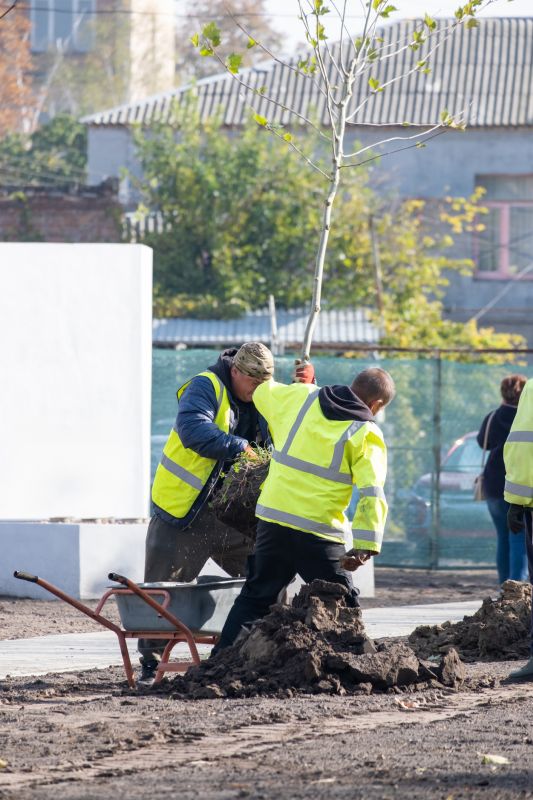
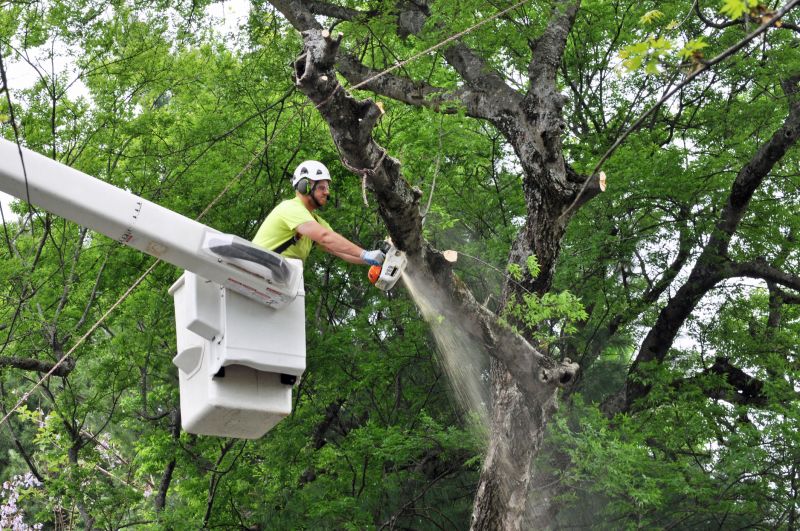
Property owners in West Milford, NJ might seek tree health assessments when noticing signs of stress or decline in their trees, such as wilting leaves, unusual growth patterns, or dead branches. These assessments help identify underlying issues like disease, pest infestations, or root problems that could threaten the stability and longevity of trees on the property. Engaging experienced local contractors ensures that these concerns are properly evaluated, providing peace of mind for homeowners who want to maintain the safety and appearance of their landscape.
In addition, homeowners often request tree health evaluations before undertaking landscaping projects or planting new trees to ensure existing trees are healthy enough to remain or to prevent potential hazards. Local service providers can assist with diagnosing issues early, offering advice on treatment options or removal if necessary. This proactive approach helps property owners protect their investment and avoid unexpected problems down the line.
What is a tree health assessment? A tree health assessment involves evaluating the overall condition of a tree to identify signs of disease, pests, or structural issues that may affect its vitality and safety.
Why should I consider a tree health assessment? Regular assessments help detect potential problems early, allowing local contractors to recommend appropriate treatments or interventions to maintain tree health.
Who provides tree health assessment services? Qualified local service providers specialize in tree health assessments and can offer expert advice based on the specific needs of trees in West Milford, NJ, and nearby areas.
What signs indicate a tree may need an assessment? Symptoms such as dead branches, unusual leaf discoloration, cracks in the trunk, or leaning can suggest underlying health issues that warrant professional evaluation.
How can a tree health assessment benefit my property? A professional assessment can help prevent potential hazards, preserve the beauty of your landscape, and ensure the long-term health of your trees.
Tree Health Evaluation - Property owners can use this service to identify potential health issues in trees before they become major problems.
Risk Assessment for Trees - Local contractors can help determine if trees pose safety concerns around homes or driveways.
Maintenance Planning - This service provides guidance on necessary treatments or pruning to keep trees healthy and vibrant.
Disease and Pest Detection - Property owners can detect early signs of disease or pests that could threaten their trees’ well-being.
If you are thinking about Tree Health Assessment for a property in West Milford, NJ, this guide is meant to help you understand the work, the typical project types, and how different options might fit your plans.
When you are ready, you can use the quote form on this page to share a few details about your project. From there, local pros can review the basics and respond with options that match what you have in mind.