Specialized Tree Assessments to Minimize Risk and Damage
Tree health assessments are essential for maintaining the safety and longevity of trees. Professionals such as certified arborists, tree care companies, and forestry consultants are qualified to perform these evaluations. They utilize specialized knowledge and tools to identify issues like disease, pest infestations, or structural weaknesses.
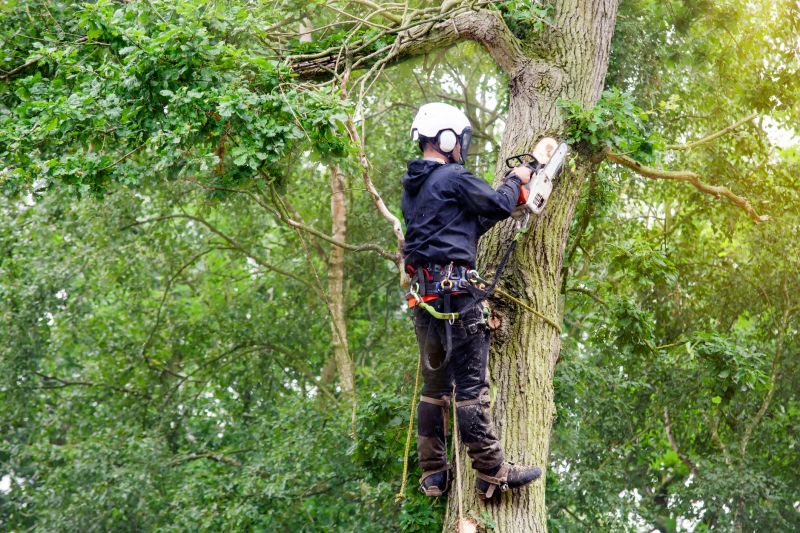
Certified arborists have extensive training in diagnosing tree health problems and recommending appropriate treatments. They are often employed by specialized tree care firms.
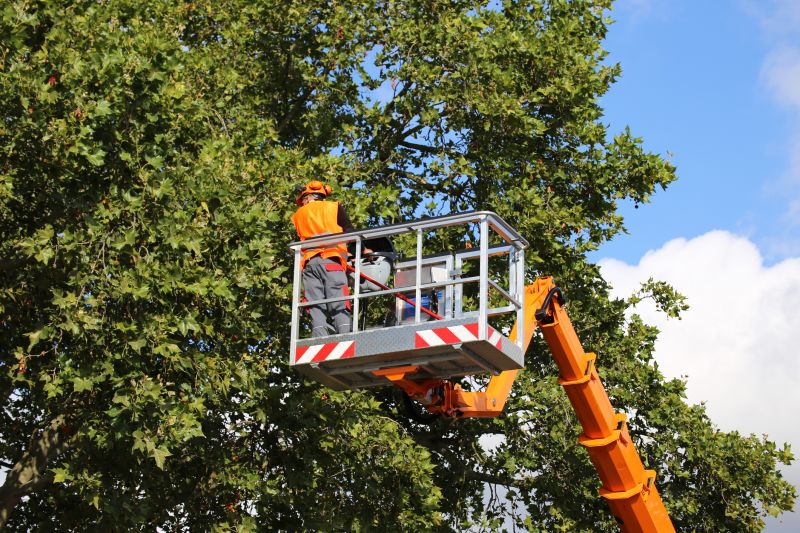
Many local tree service providers offer comprehensive health assessments as part of their maintenance packages, ensuring trees remain healthy and safe.
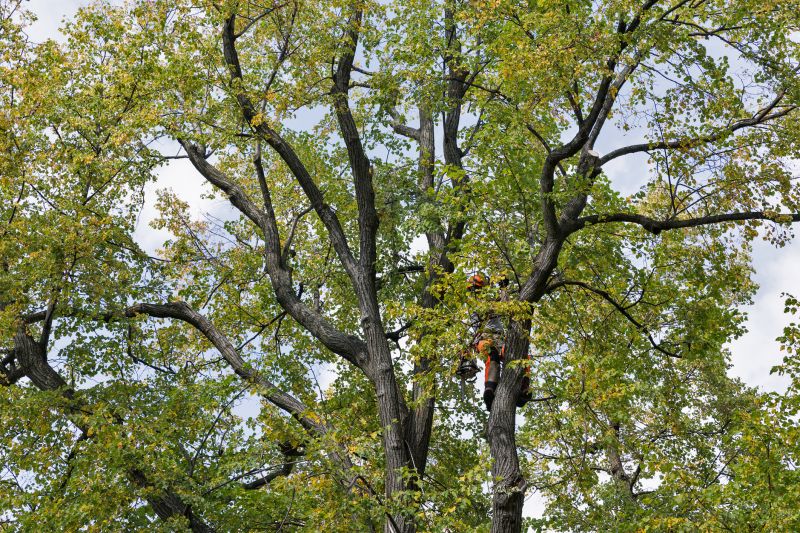
For large-scale or commercial properties, forestry consultants provide detailed evaluations and management plans for tree health and sustainability.
Municipal departments often conduct assessments to monitor city trees, focusing on public safety and urban planning.
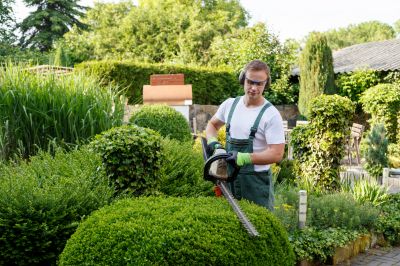
Landscape professionals sometimes include tree health evaluations in their design and maintenance services to ensure aesthetic and structural integrity.
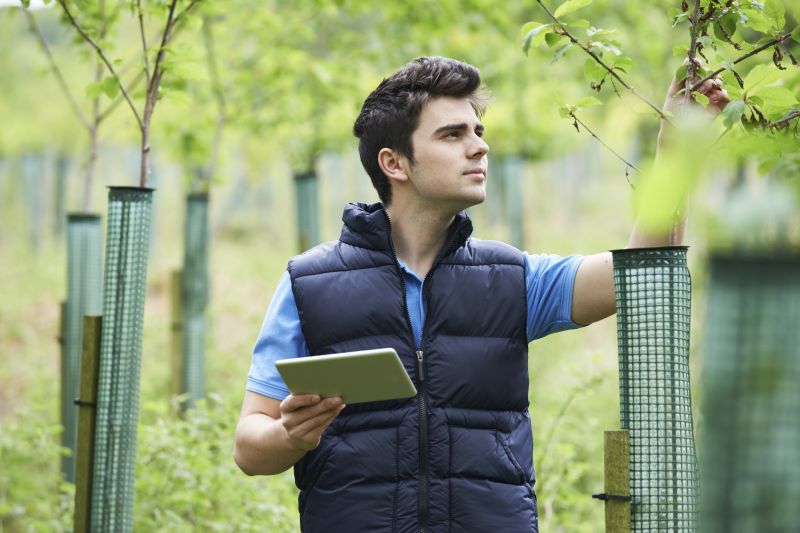
These specialists focus solely on inspecting and diagnosing tree health issues, often working independently or with consulting firms.
When hiring a professional for tree health assessments, expect a thorough inspection that includes visual examination, testing for pests or disease, and sometimes soil analysis. The professional will provide a detailed report outlining the health status of your trees and recommend necessary treatments or interventions.
A professional will inspect the entire tree, checking for signs of decay, pests, and structural issues. They may use diagnostic tools like resistographs or canopy analysis equipment.
Look for certified arborists or licensed tree care firms with good reviews and proven experience in tree health diagnostics.
Costs vary depending on tree size and location. Scheduling assessments in early spring or late fall often yields the best results, as trees are less active.
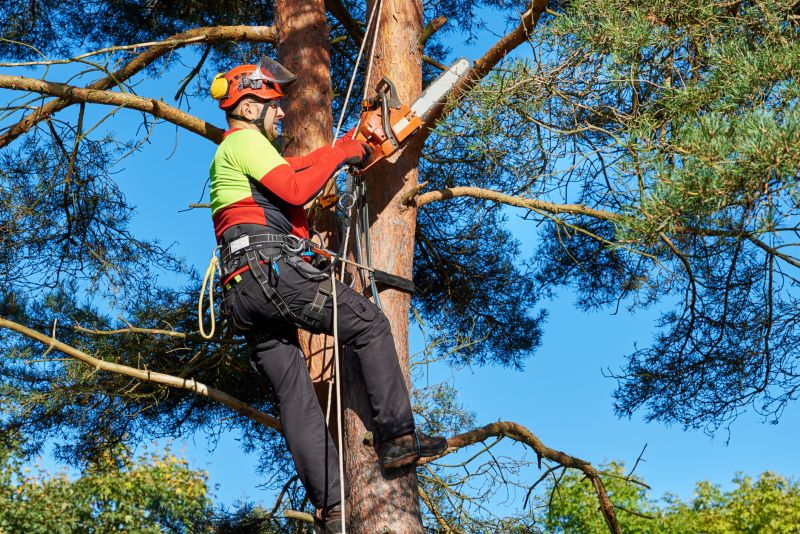
Professionals conduct comprehensive inspections, including visual checks and diagnostic testing to assess overall health.
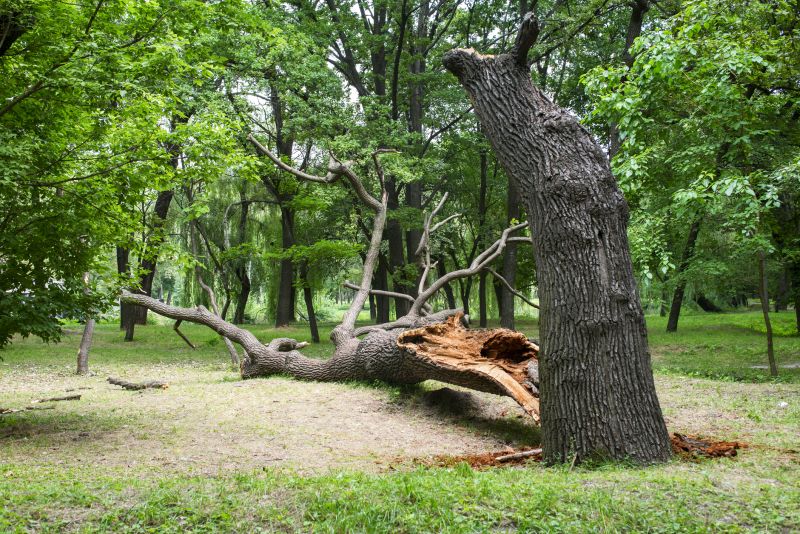
Look for dead branches, fungal growth, or unusual leaf coloration, which professionals will evaluate during assessments.
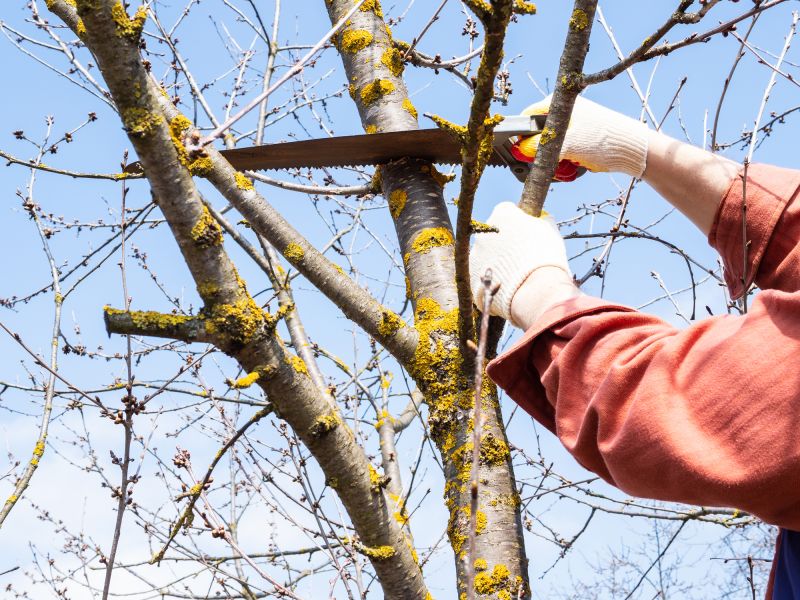
The optimal times are early spring before leaf-out or late fall after leaf drop, when assessments can be most effective.
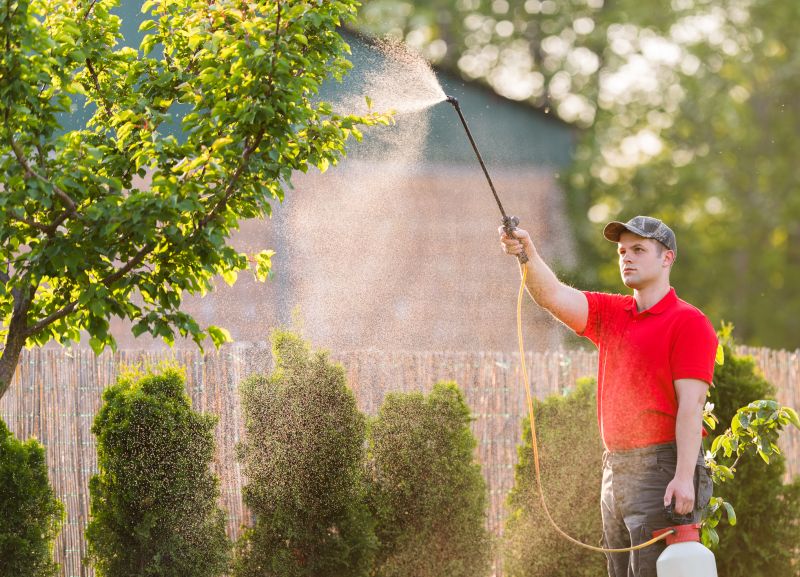
Based on the assessment, professionals may recommend pruning, fertilization, pest control, or other treatments to improve tree health.
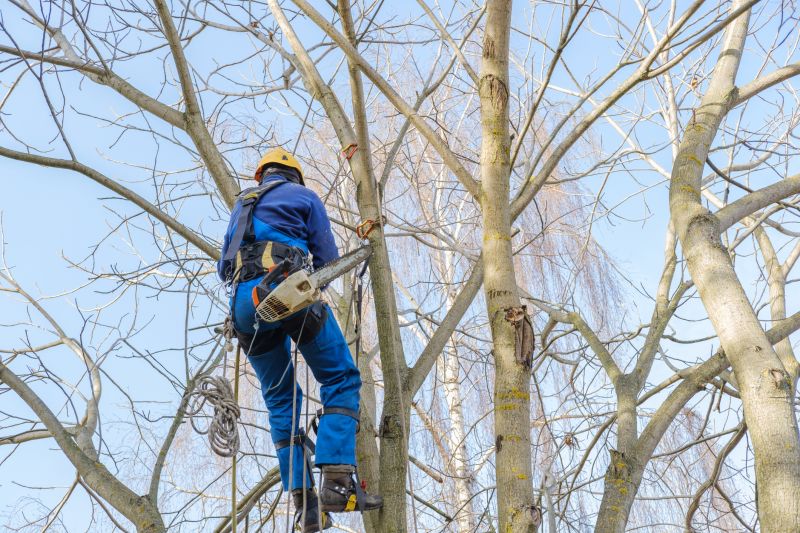
Regular assessments help track tree health over time and prevent potential hazards before they become serious.
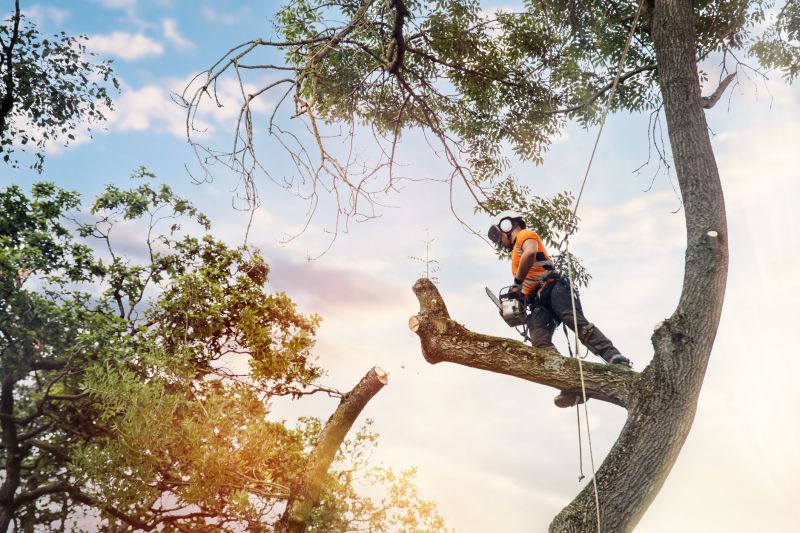
Always verify that your service provider holds relevant certifications, such as from the International Society of Arboriculture.
If you're concerned about the health of your trees, don't hesitate to contact a qualified professional. Filling out our contact form will connect you with experts who can provide accurate assessments and tailored care plans to keep your trees healthy and safe.